Lorenzo Lotto in the Marche region.
Four volumes to tell the story of a widespread heritage.
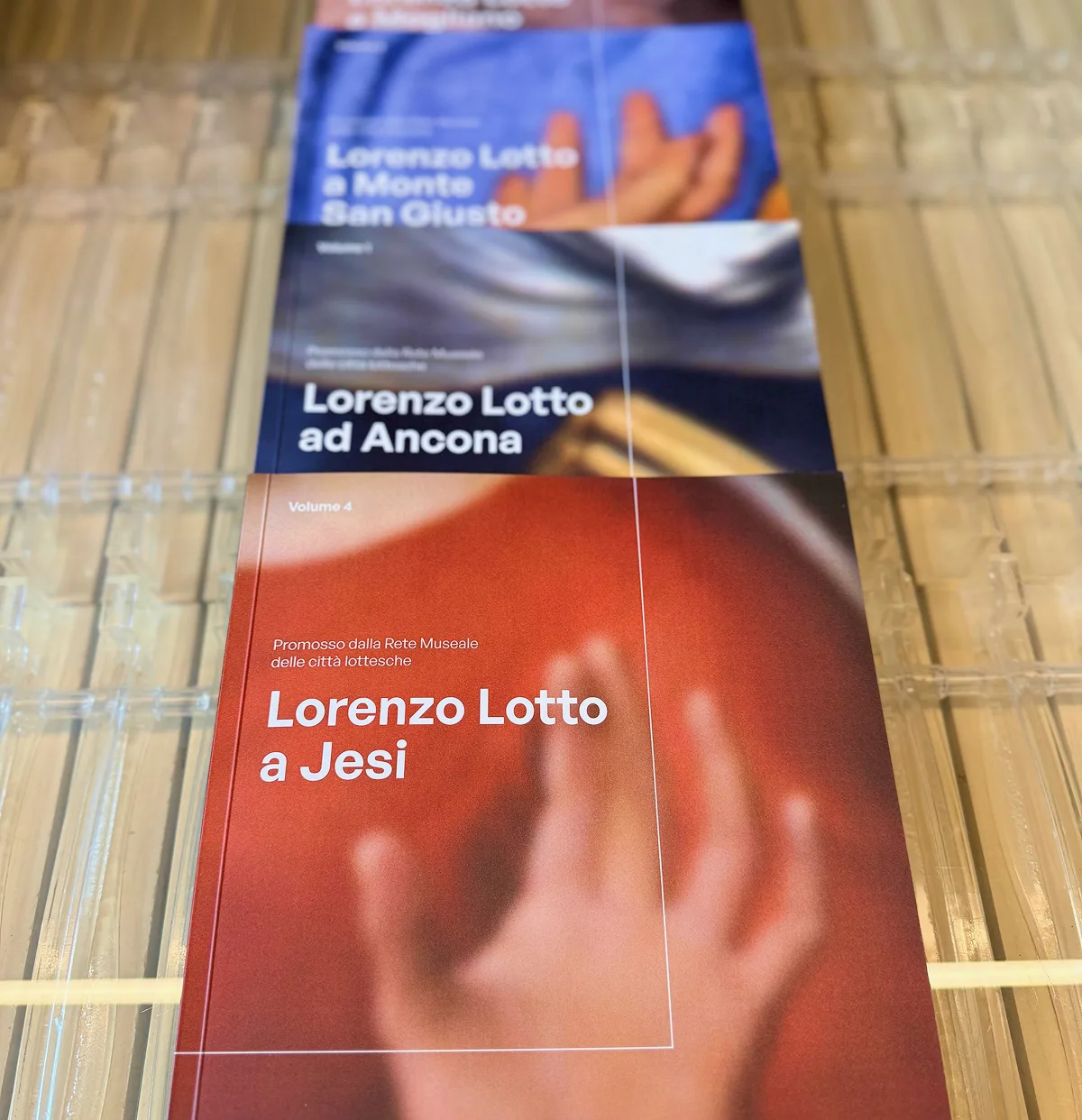
25 works by Lorenzo Lotto are located in the Marche region. Not in a single museum, but distributed among churches, art galleries, and places of worship across eight different cities. The Museum Network of the Lotto Cities (Rete Museale delle Città Lottesche) was established to preserve and enhance this heritage as a single system. The editorial project overseen by PepeLab and published by Tonidigrigio responds to this need: four volumes — Ancona, Monte San Giusto, Mogliano, Jesi — designed to work together and as a box set. They contain critical texts and accurate reproductions, tailored for a wide audience and written in two languages, with special attention to the accessibility of textual and visual content.
Servizi
Luogo
Anno
Visual system
Un sistema visivo che nasce dalle opere di Lotto
e le restituisce al pubblico in una forma accessibile e riconoscibile.
Nuclei di comunicazione
The detail
Dual language
A single system
The cover
The details of Lotto's hands become the face of the series.
The blurring transforms the pictorial detail into a consistent graphic sign across the four volumes.
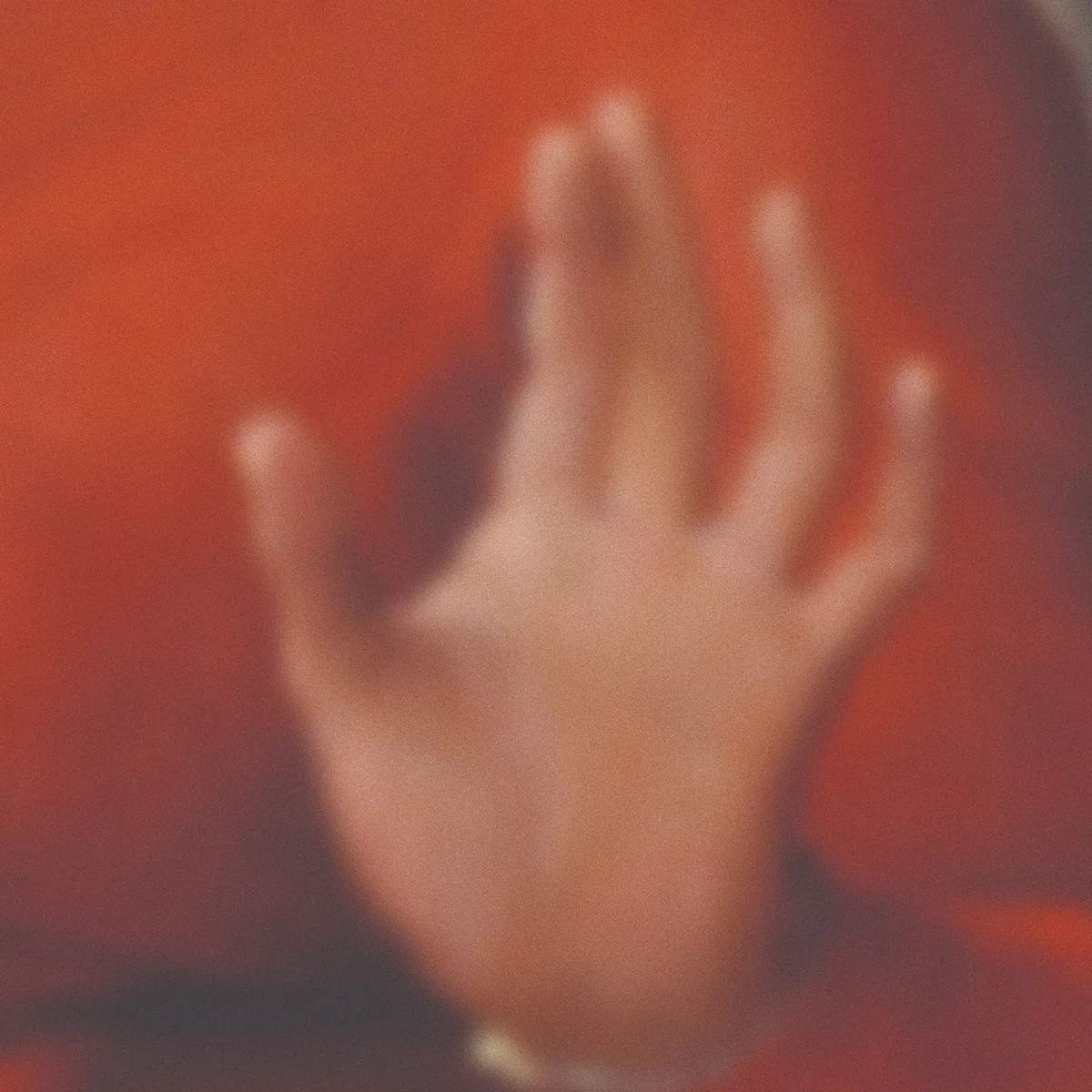
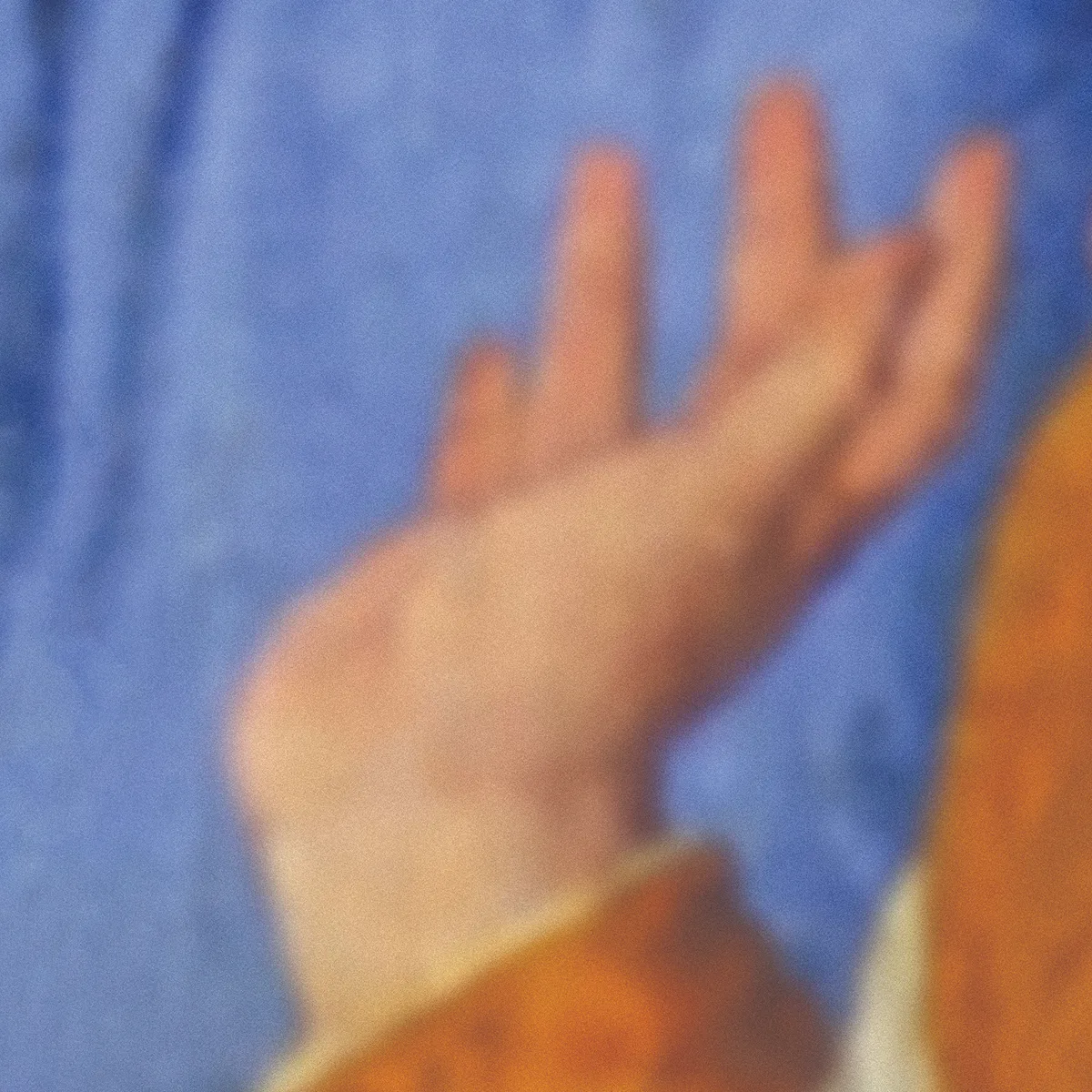
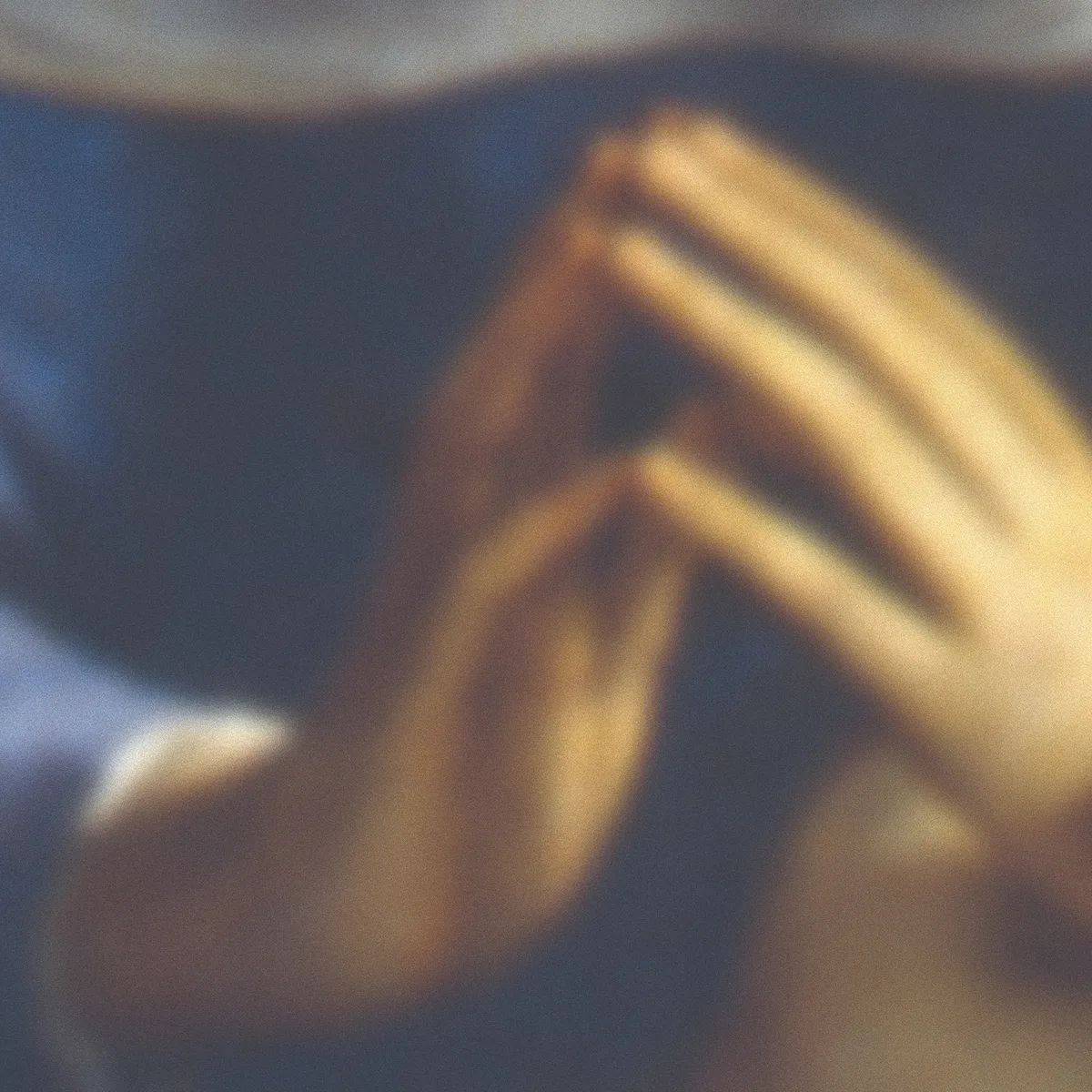
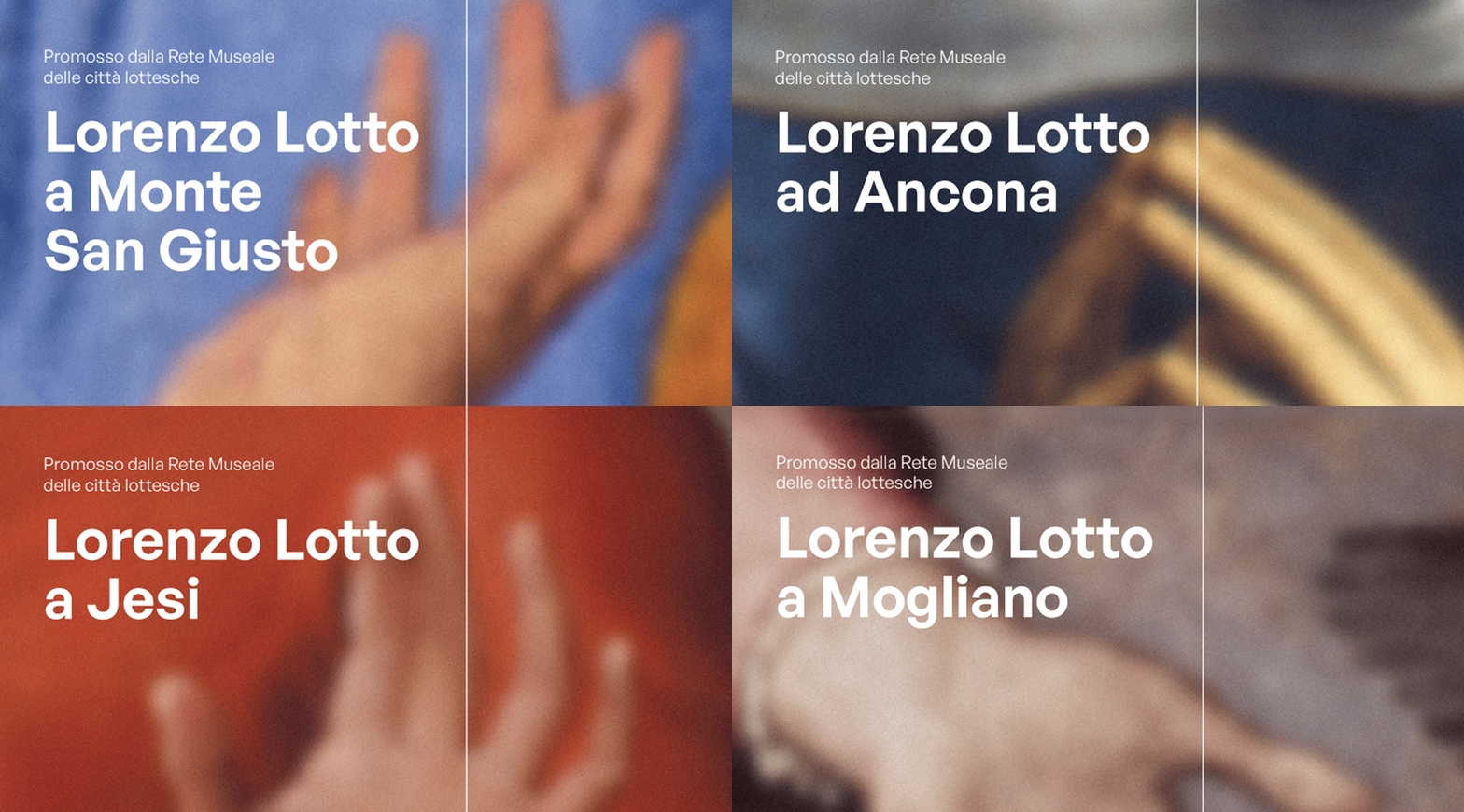
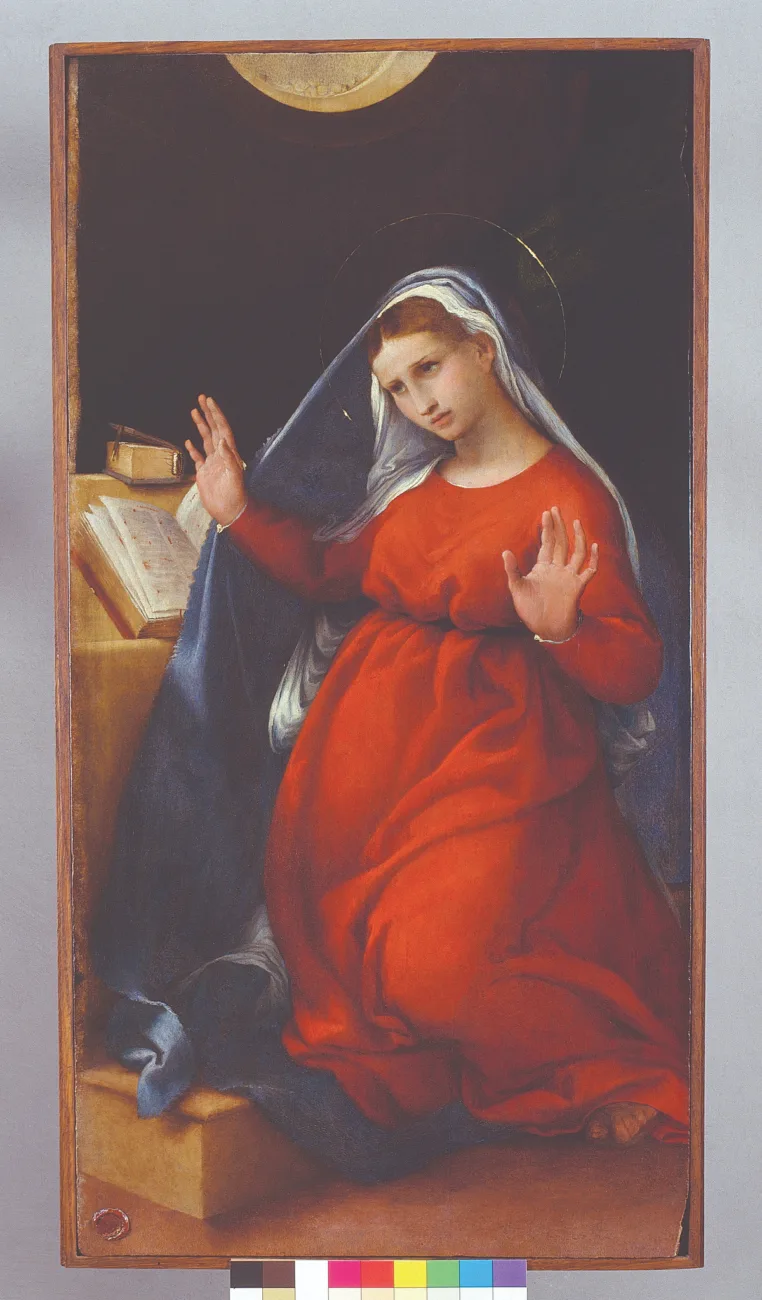
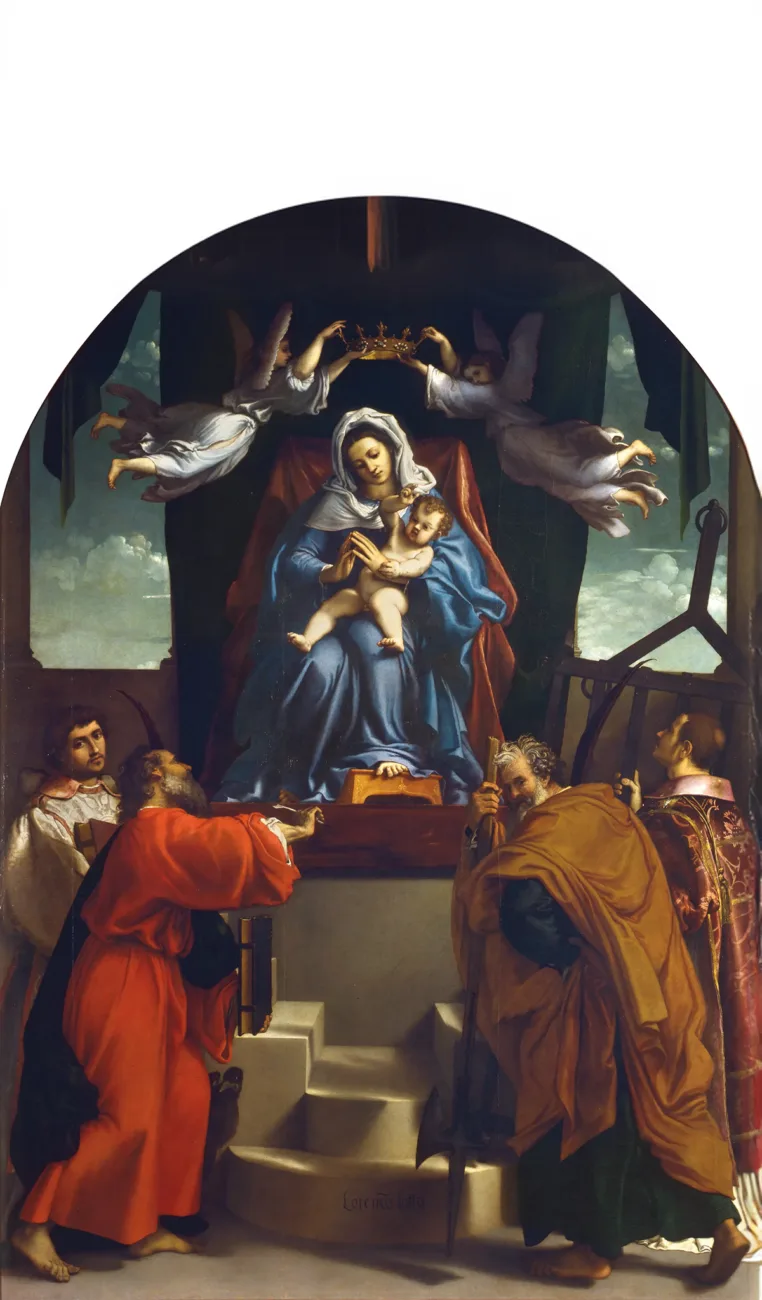
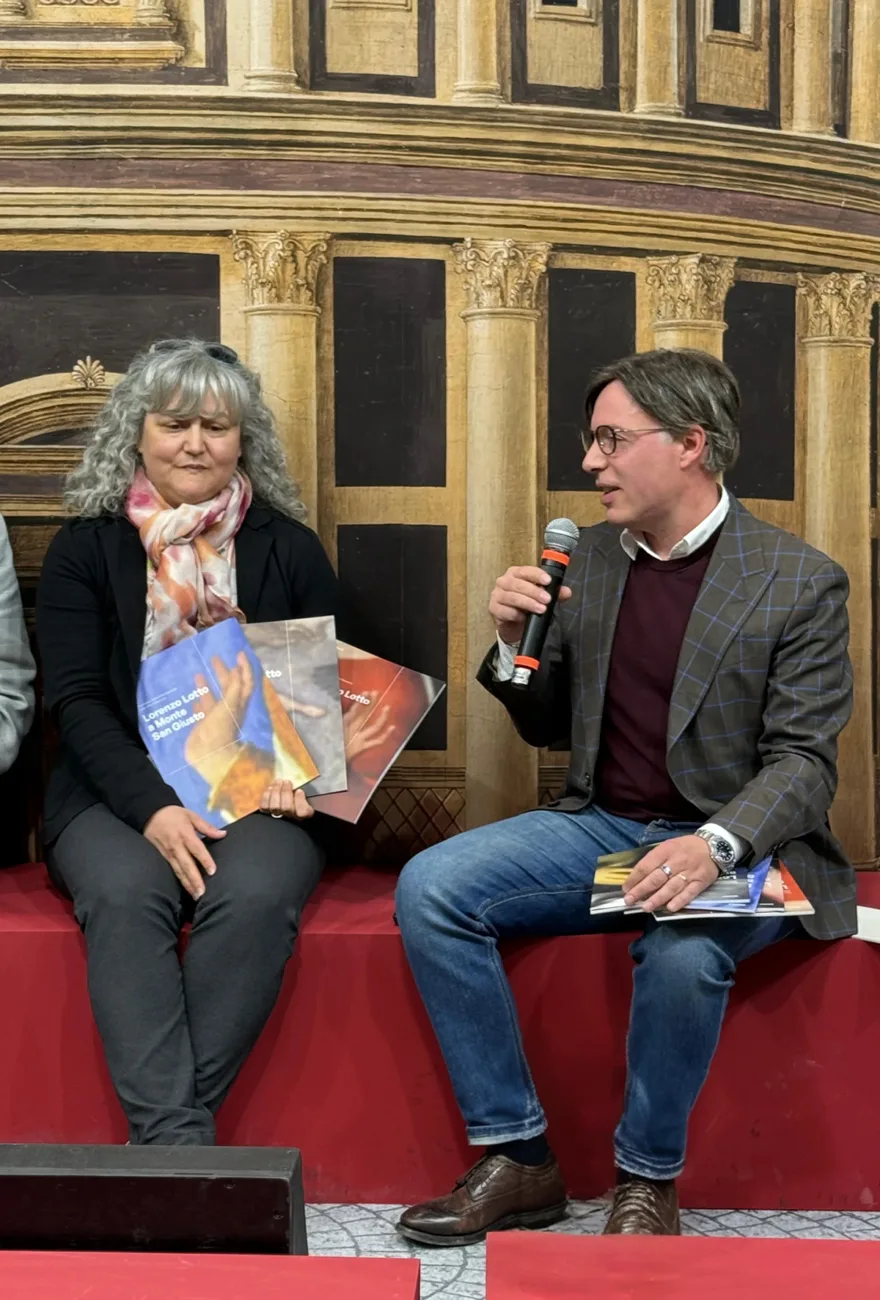
The covers stem from a single conceptual choice: bringing Lotto's hands out of the canvases. Each volume opens with a macro-detail of a work preserved in that city — Ancona, Monte San Giusto, Mogliano, Jesi — re-elaborated with a blur effect.
The gesture remains legible—the hand that holds back, the one that opens, the one that points—but the painting transforms into something different: a graphic sign, a threshold between the book and the artwork.
The result is a coherent and recognizable cover system, in which each volume has its own chromatic identity but clearly belongs to the same collection.

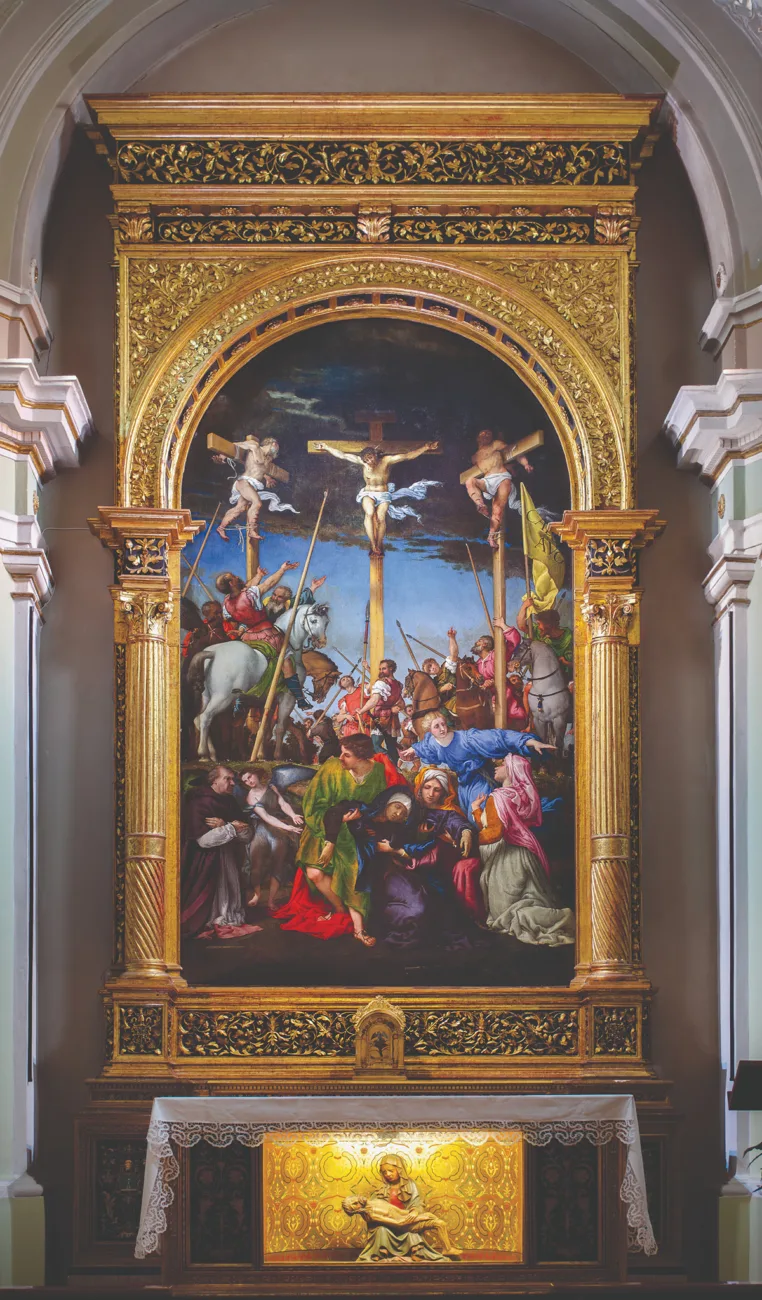
The four volumes
Pepelab enters the works through details:
draperies, postures, and gestures as a starting point to build a coherent visual identity across the four volumes.
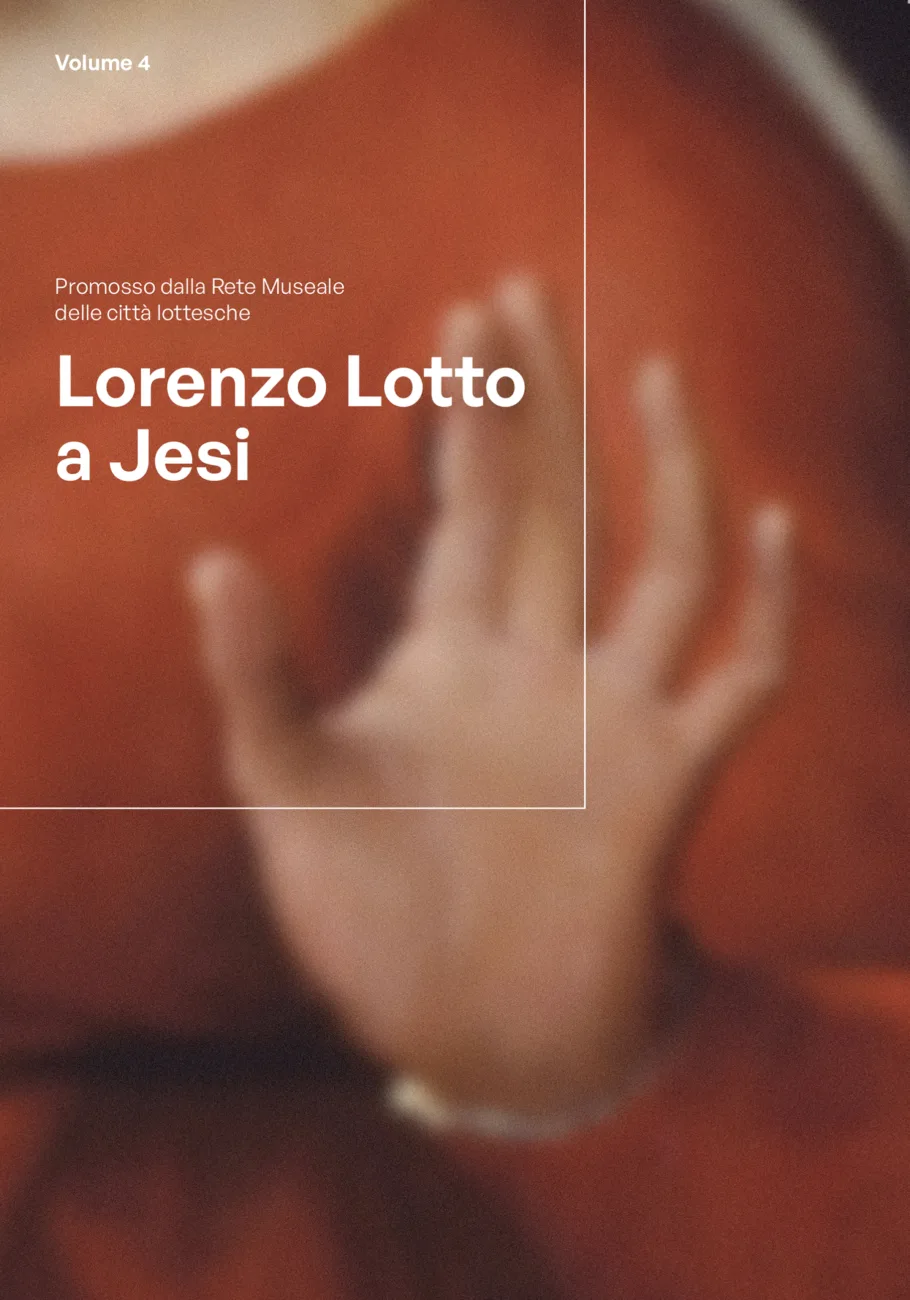
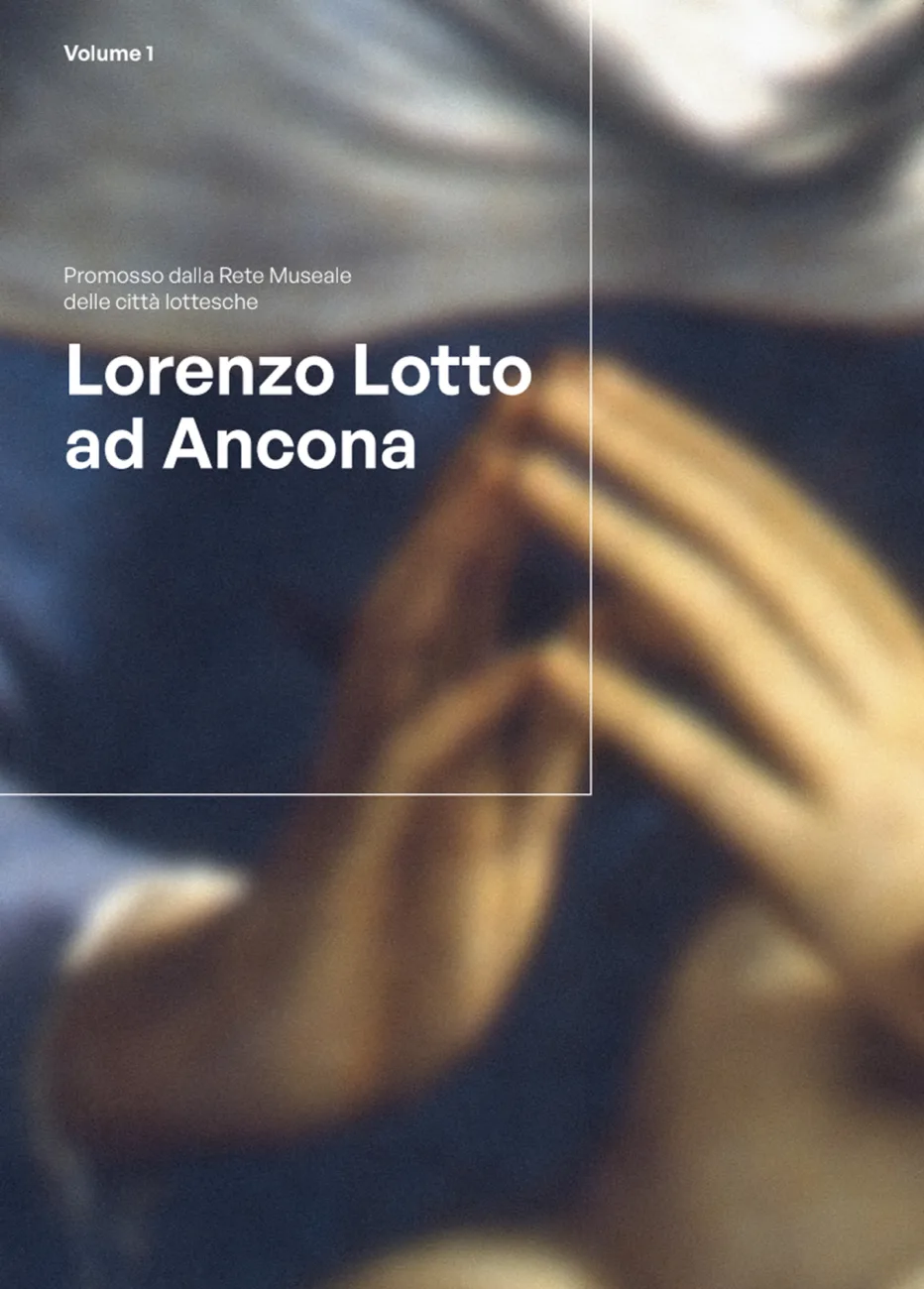
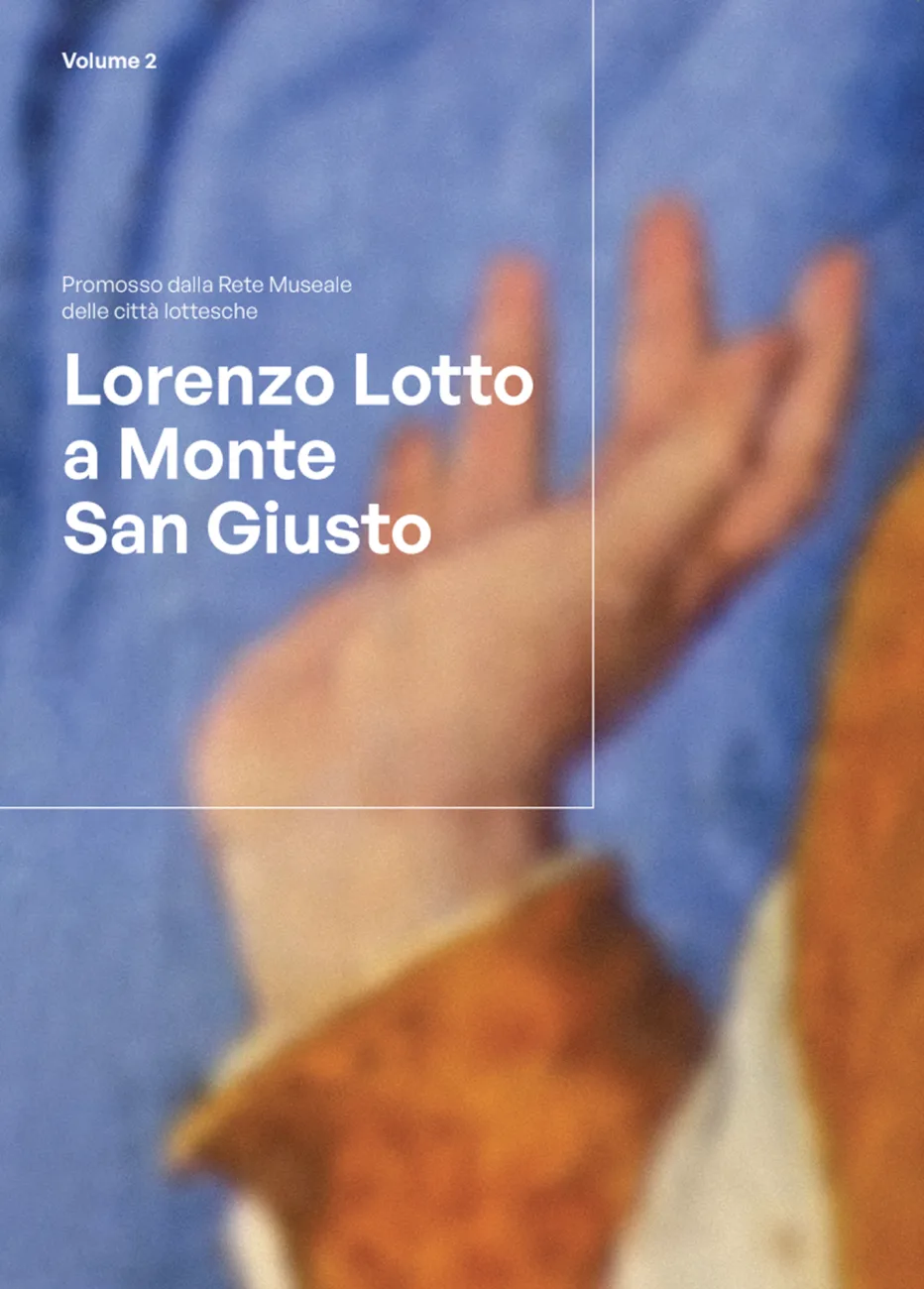
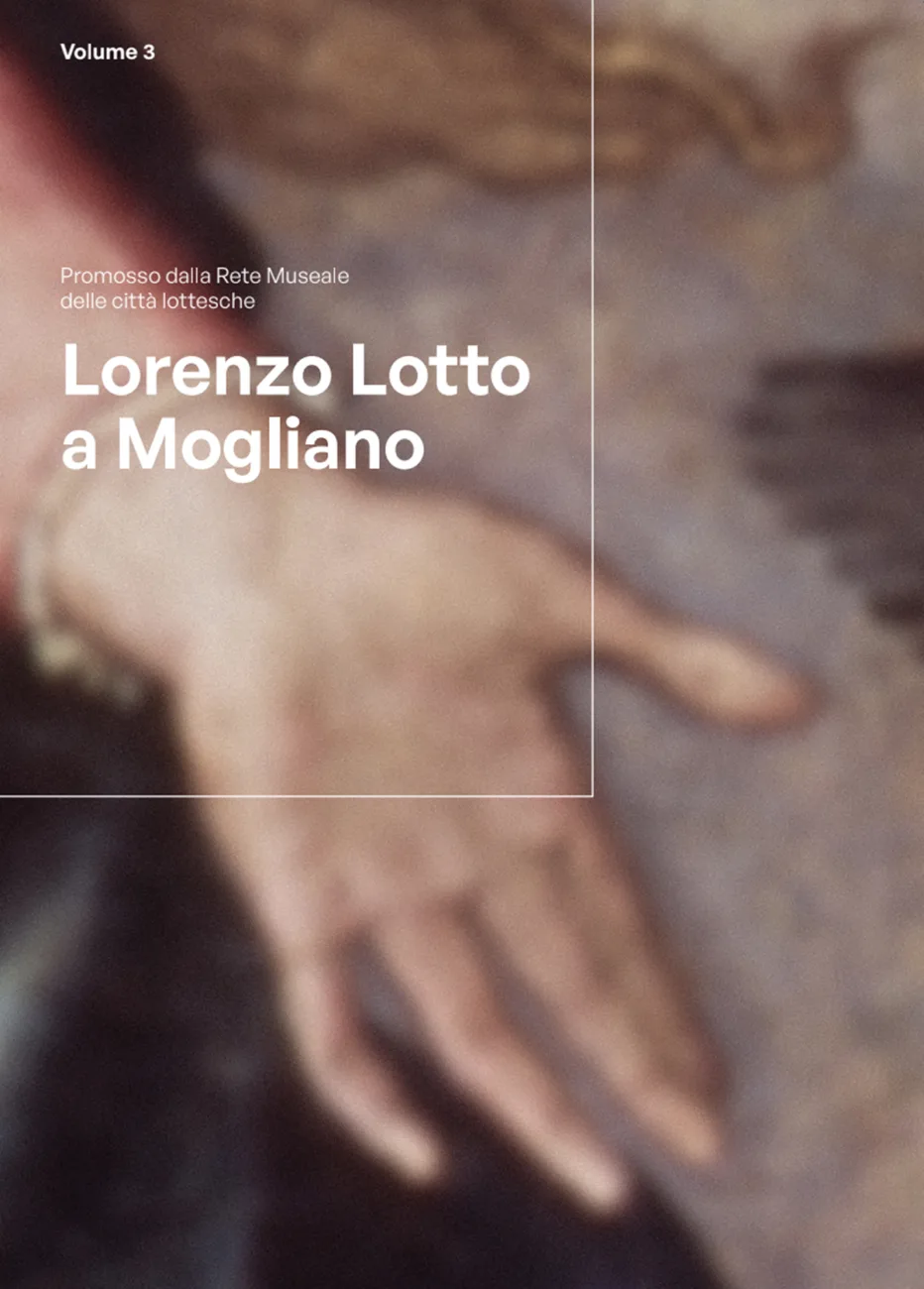
The starting point is not the full reproductions of the paintings, but rather their details. Pepelab chooses to approach the artworks through the draperies, the posture of the figures, and above all, the hands.
In Lotto's work, hands are never merely decorative. They are the point where the inner life of the characters becomes visible. His artworks are punctuated by extraordinary gestures: hands praying, hands open in a gesture of offering, hands holding back or reaching out toward something. Choosing hands as the guiding image for the series was not an aesthetic choice, but a conceptual one: a way to invite the reader to look at Lotto's works up close, willing to linger on what is usually overlooked.
Internal layout
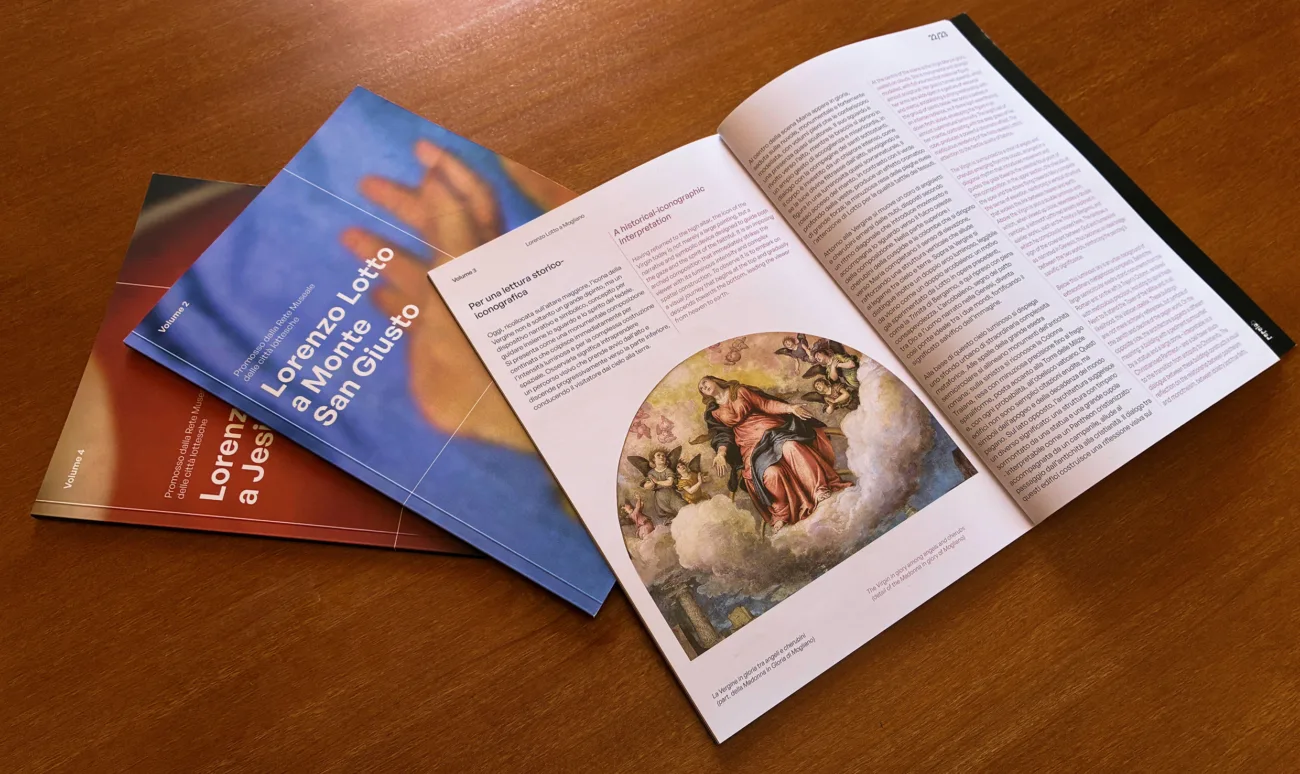
The volumes are bilingual — Italian and English. The dual language is not treated as a typographic constraint: a visual differentiation naturally guides the reader between the two versions without weighing down the page.
The typographic structure is intentionally clear: large font sizes, readable hierarchy, constant balance. The typeface is General Sans, in its light, regular, and bold variants — a sober and contemporary family that sits alongside the images without cluttering them.
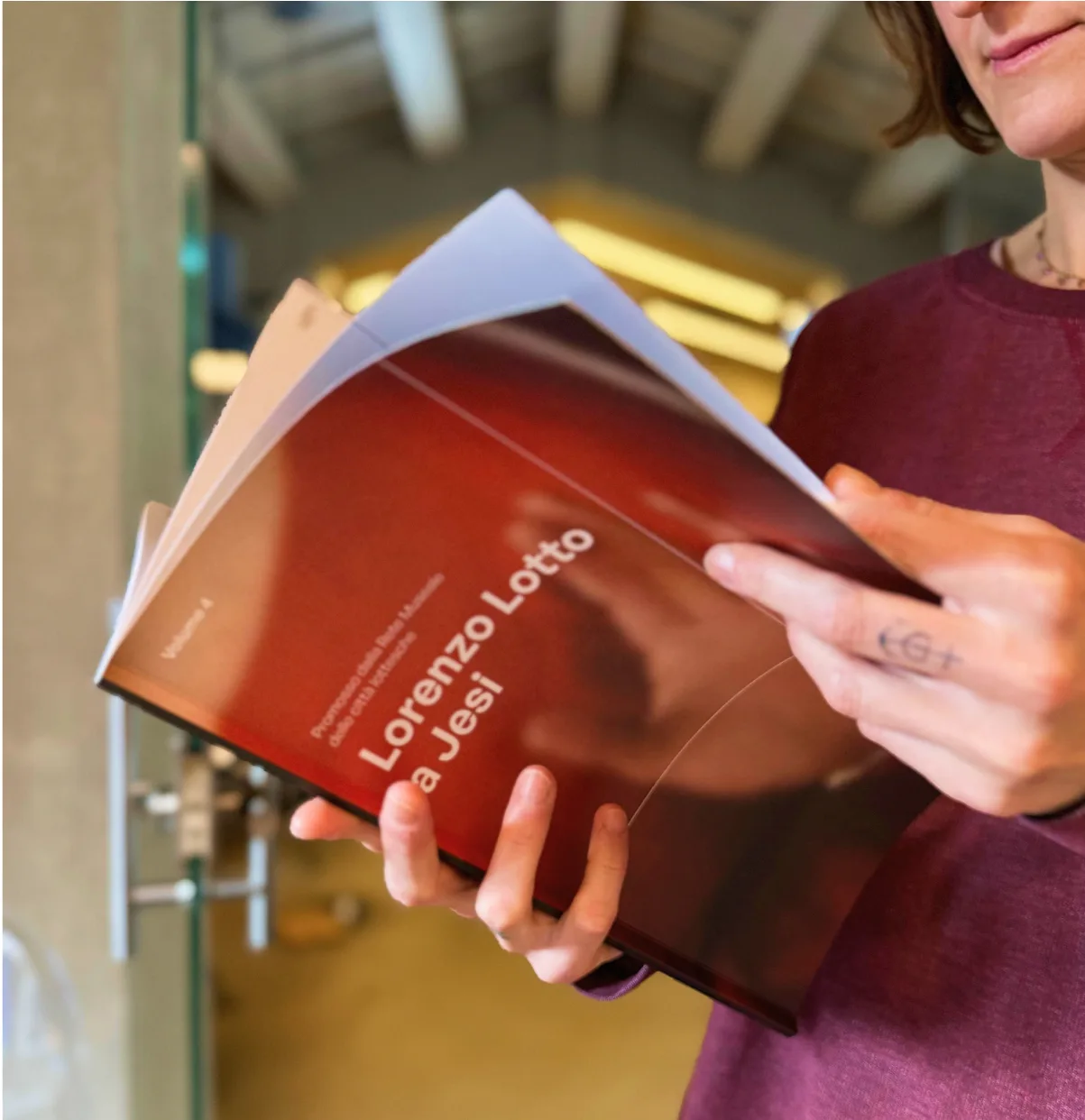
The reference is the historic "Maestri del colore" (Masters of Color) series: agile booklets, to be carried along in front of the artworks, consulted on the spot, or given as gifts. Living tools, not books just for display.
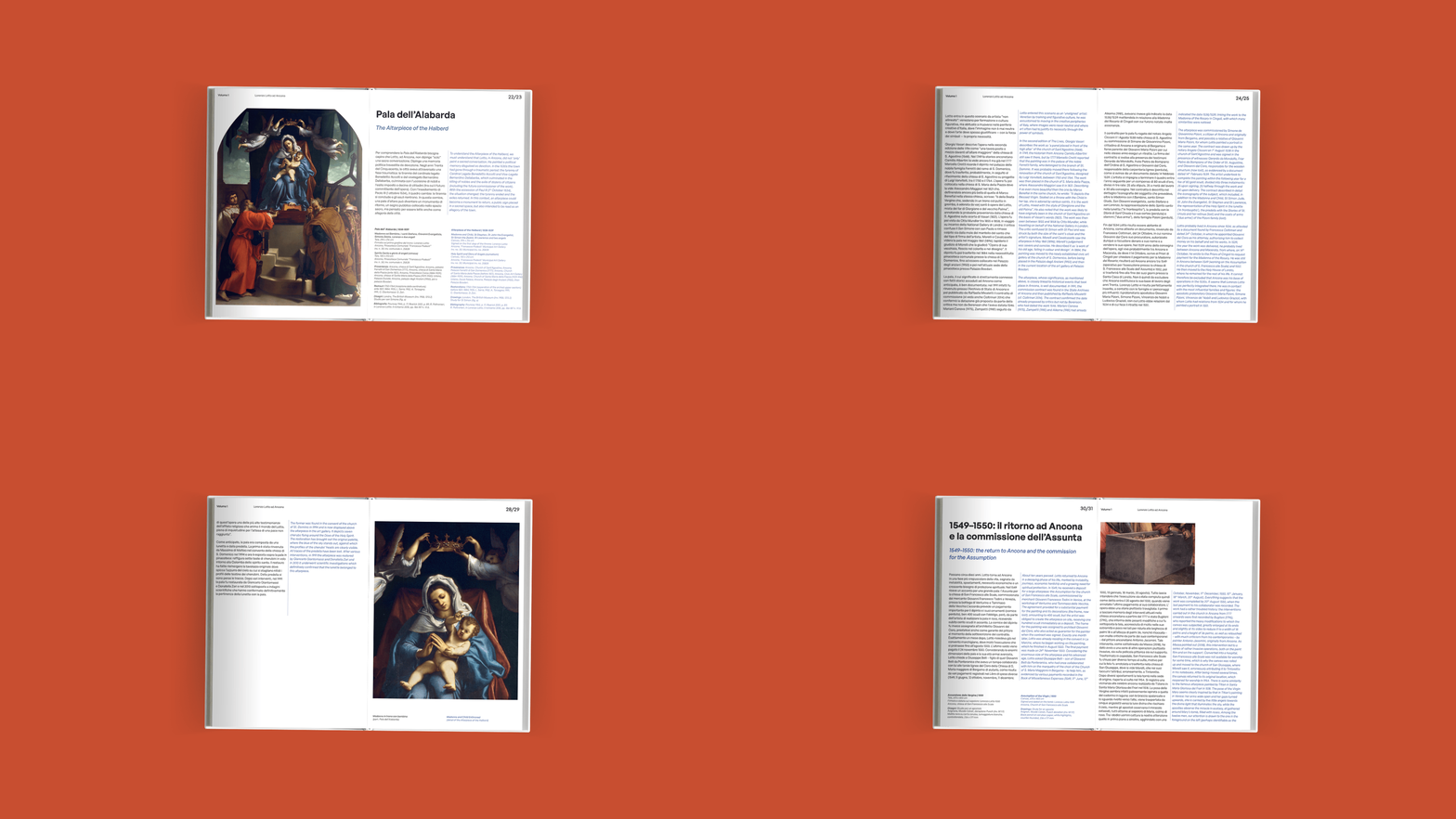
The meaning of the project is to be found in the details: in the draperies and the posture of the hands in the paintings. We would like the book to function as a tool capable of bringing anyone closer to a heritage that belongs to everyone, making it accessible and inviting people to use it as a notebook and a travel companion.

Massimo Pigliapoco
Salone del libro
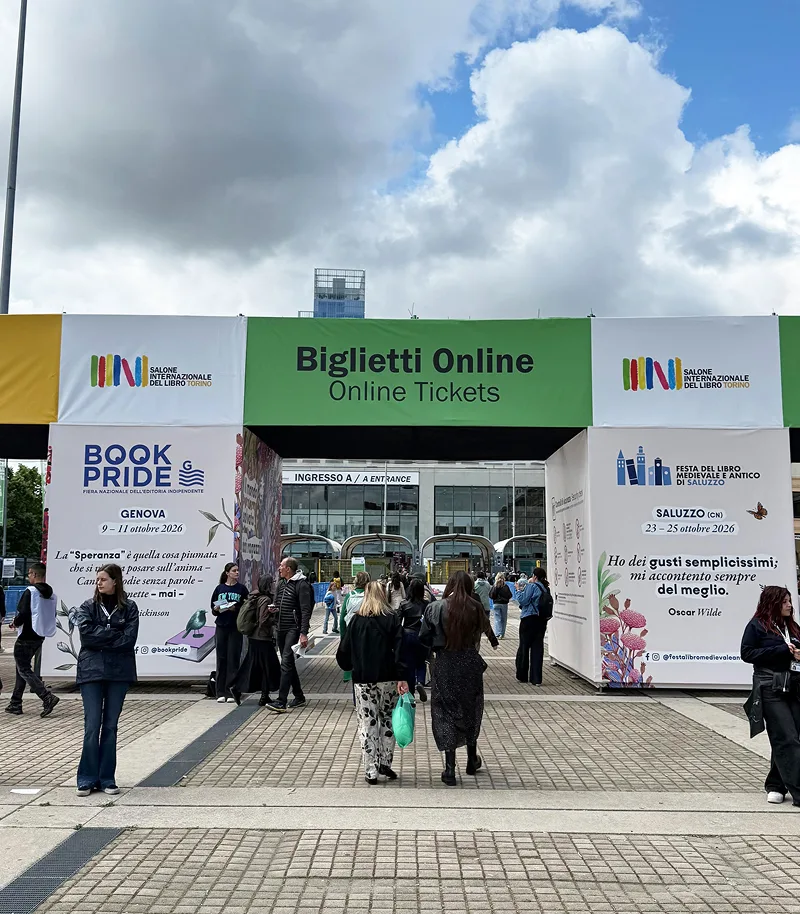
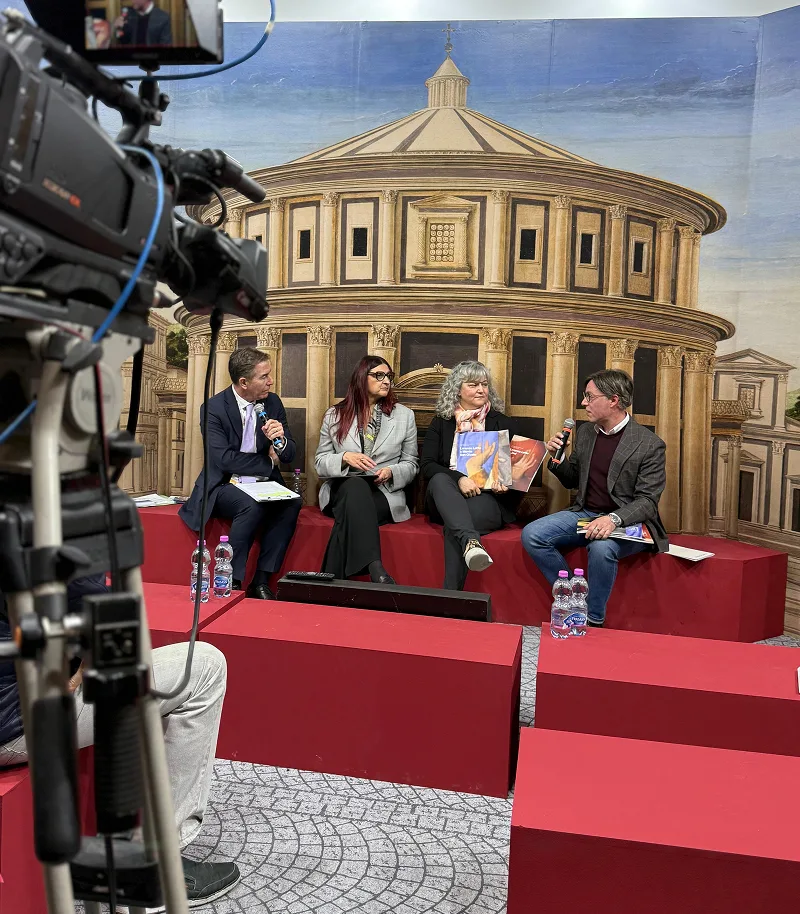
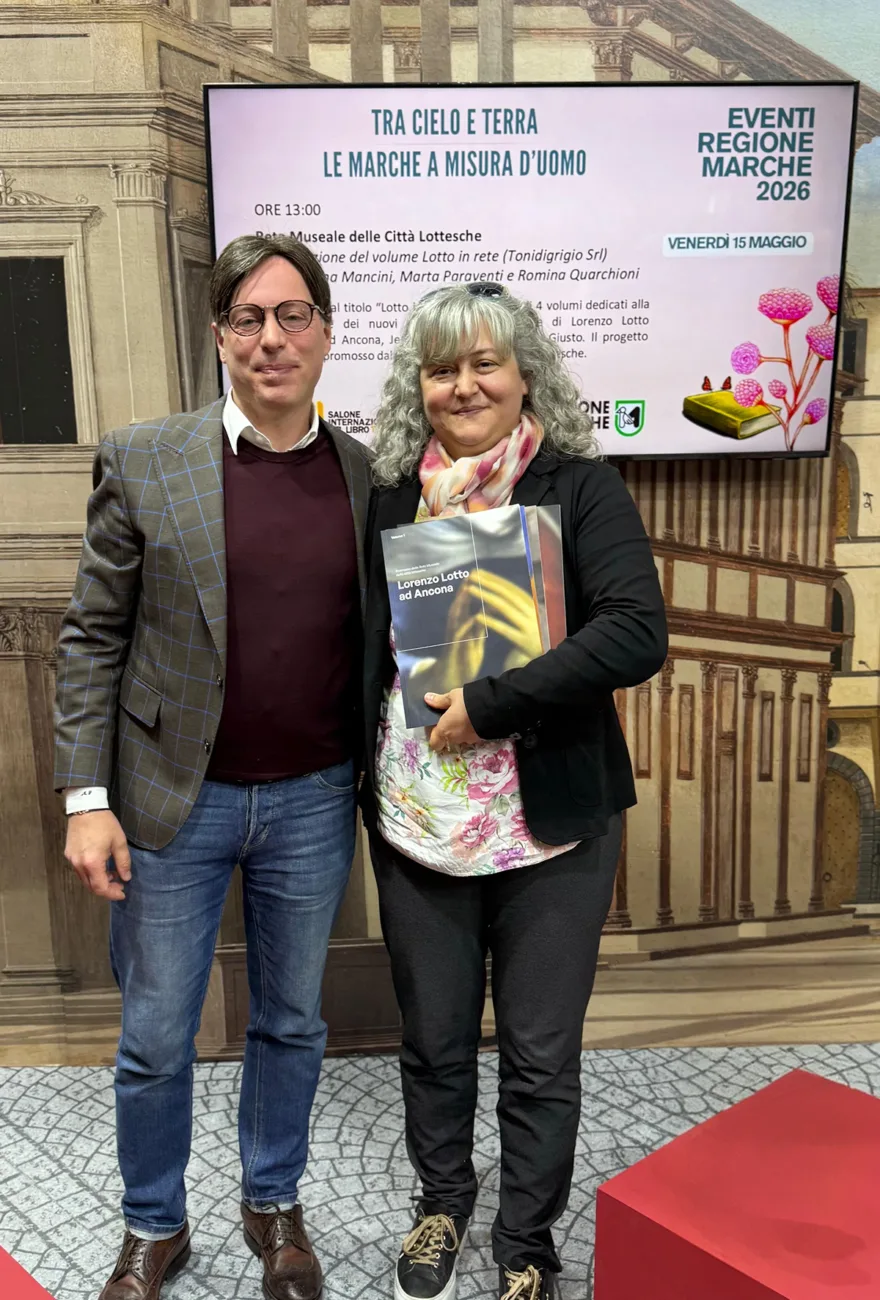
At the Turin Book Fair,
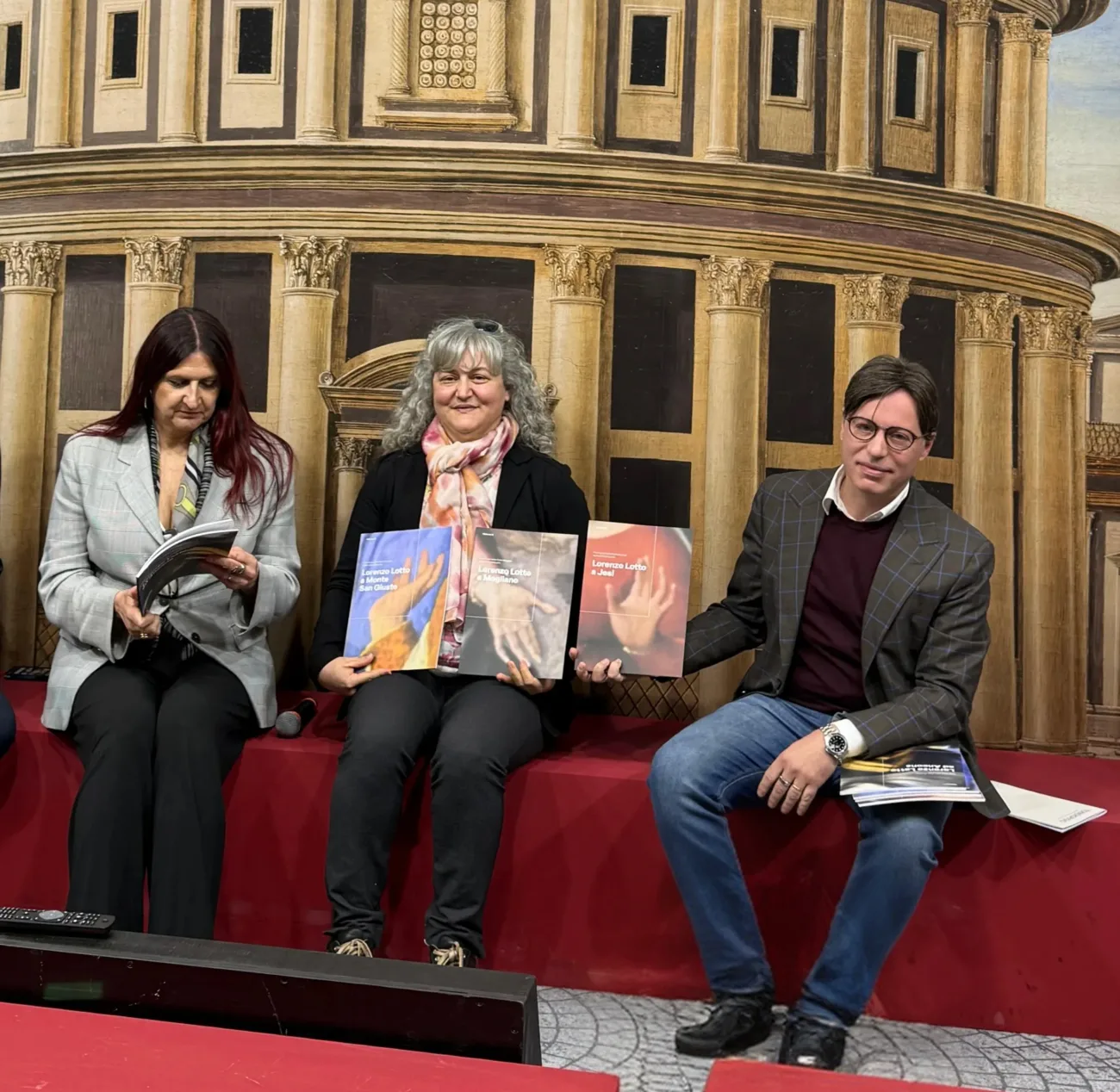
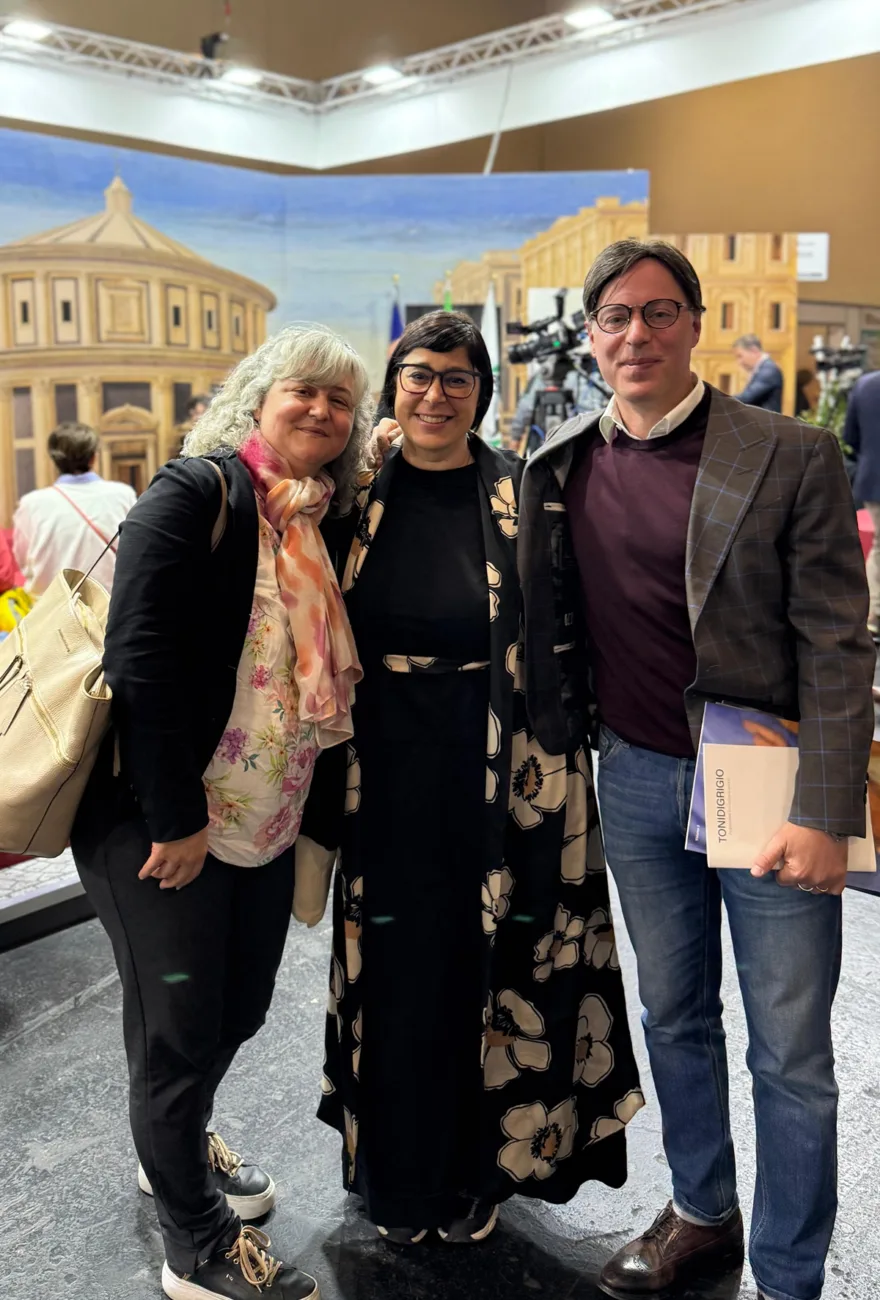
Massimo Pigliapoco presents the four volumes at the Marche Region stand.
The commission
The project stems from a commission that intends to portray Lotto not as a distant icon, but as a living artist, capable of speaking to anyone who approaches his works with curiosity. The Marche Region and the Art Gallery of Jesi followed this inspiration, emphasizing the role of the Museum Network of the Lotto Cities, under the coordination of Daniela Tisi.
The project is part of the cultural policies for Ancona Capital of Culture 2028.
The scientific curation is by Romina Quarchioni. The contributions are signed by Marta Paraventi, Marina Massa, Giuliana Pascucci, Simona Cardinali, and Loretta Secchi — art historians and scholars who have approached Lotto from different perspectives, rendering the complexity of an elusive and multifaceted artist.
Four volumes, four cities, four voices that breathe together and form a system.